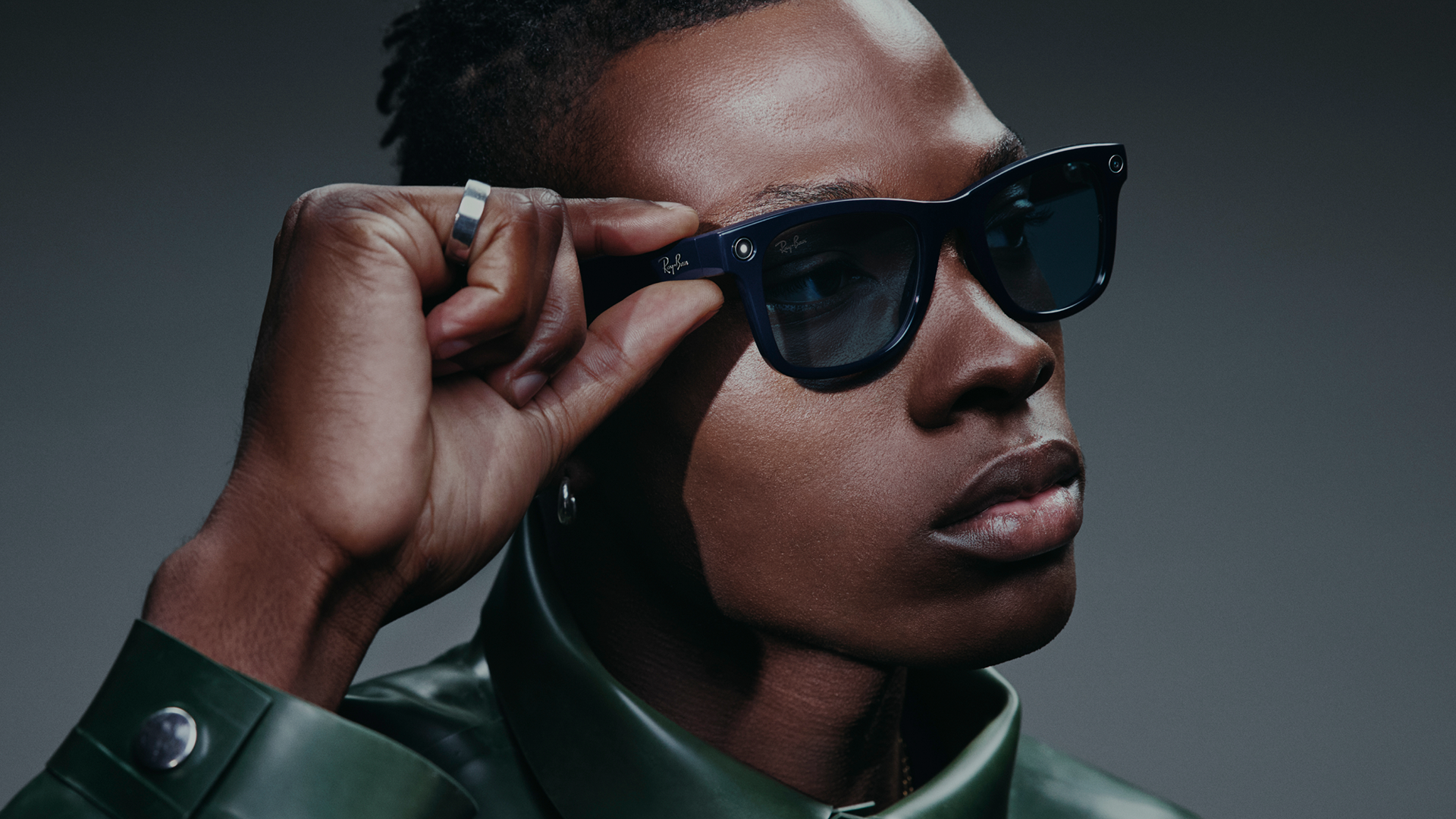
Ray-Ban Meta
Ray-Ban Meta is the product that turned smart glasses from a curiosity into a pioneering category.
As principal designer, I owned the experience end to end, from the first design principles to the day it launched. The job was to make the invisible obvious, the powerful effortless, and all of it feel unmistakably Ray-Ban. It shipped in 2023, became the best-selling smart glasses ever made, and is the platform the rest of the industry is now chasing.
It started with principles. I wrote the ones that defined what a camera and an assistant on your face should and should never do, and they became the bar every feature had to clear. From there I set the vision for the hero experiences and led them into the product: hands-free capture that keeps you inside the moment instead of behind a phone, open-ear listening that stays present in the world, messaging and calls you handle with your voice, first-person live streaming and video calling that put your audience in your point of view, and Meta AI on your face, where "Hey Meta, look and tell me" became the first multimodal assistant people wear all day.
Underneath all of those sits one interaction model, and it was mine to design and refine: no screen, one button, a voice, a camera on someone's face, and a privacy standard the whole world would judge in public. Getting it right meant prototyping directly on hardware, working closely with research and dogfooding to learn what to cut, and extending the experience into the Meta AI companion app so the phone closed the loop. It also meant partnering with engineering, hardware, and the Ray-Ban team at EssilorLuxottica so the software felt as considered as the frames. That care carried through to launch: the hero experiences were represented precisely in go-to-market campaigns, the stories told on stage, and the first-run experience people met when they opened the box.